Perspective by Chris Jansen
Structure follows strategy? Time for a rethink.
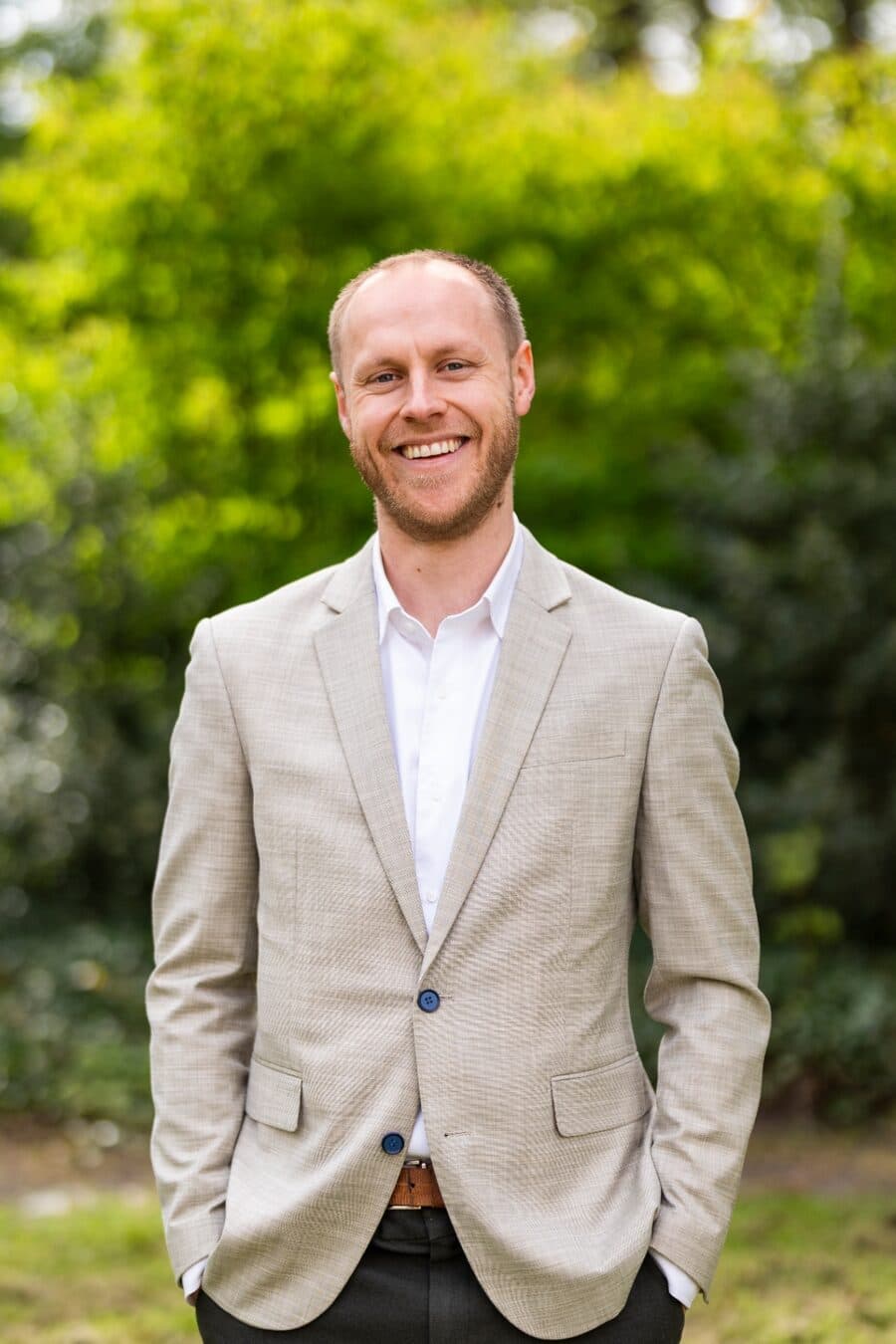 by Chris Jansen
Is it wise to tamper with a principle that has formed the backbone of organisational design for more than sixty years? Probably not. And yet I am doing it.
A stable past, a dynamic present
Chandler showed that large companies adapted their structure to their strategic ambitions. In a predictable market this worked extremely well. But today the reality is fundamentally different.
BSO and Eckart Wintzen's cell division principle
Instead of steering through classic hierarchy, he introduced the cell division principle: each unit consisted of no more than 50 people. Strategy did not emerge centrally at the top, but grew organically from practice.
Strategy follows structure
In environments where change is continuous and unpredictable, you can no longer rely on a strategic plan that drives the structure. It is precisely a smart, responsive structure that determines which strategies emerge, evolve and succeed.
What does this mean for your organisation?
Design for agility. Move decisions to the edges. Invest in a learning culture. Build a culture in which people can experiment, are allowed to make mistakes and learn continuously.