Steering on the progress and result of your strategy
In conversation with Gabriella: OGSM as a method
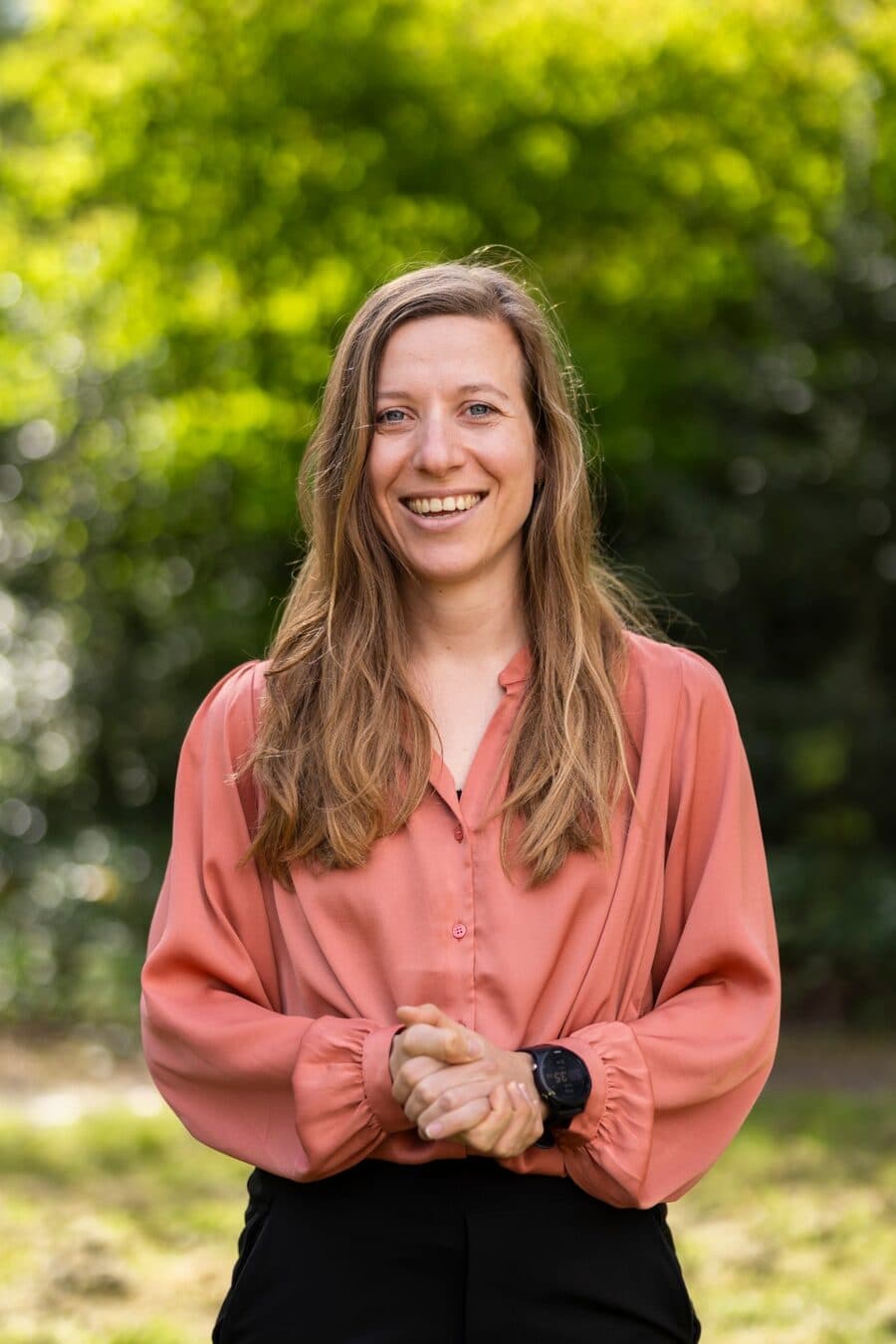 Gabriella Monasso
There are many models for structuring strategy. What makes OGSM different from traditional annual plans or strategy documents in your view?
The biggest difference is that OGSM does not stop once the plan is made. Many strategies look good on paper, but then disappear into a drawer. OGSM is specifically designed to keep the plan alive: it is a method that helps you make choices and execute them consistently. You keep talking continuously about where you stand, what is working, what is not, and what can be better. That cyclical approach is what makes it really powerful.
What is needed to make OGSM truly successful?
It requires discipline and structure. An OGSM only works when you do not complete it once and forget about it, but return to it regularly. The OGSM cycle of plan, do, learn and adjust ensures that you do not reflect only afterwards, but adjust along the way. We also use tooling to keep progress, actions and KPIs visible. That way you can see at a glance whether you are on course and act faster when something is lagging. Even though the tooling is a useful aid, it remains people work. It only comes alive when you commit to it as a team; that is the success formula.
How do you create and maintain involvement and ownership within the team?
By taking people along from the start and giving them ownership of concrete parts of the plan. No strategy "from above", but determining together what matters and who is responsible for what. When team members think along on the plan and are responsible for, for example, an action, you see them actively steering on progress themselves. That increases involvement and the result.
How do you keep an OGSM plan "alive"?
By making it a real part of your rhythm. We use the OGSM actively in our meetings, we hold monthly action sessions to discuss the progress of actions and we adjust the plan every quarter. That way it does not become something you pick up a few times a year, but a fixed part of how you work. You keep steering not only on action, but also on impact. That is what makes the difference.